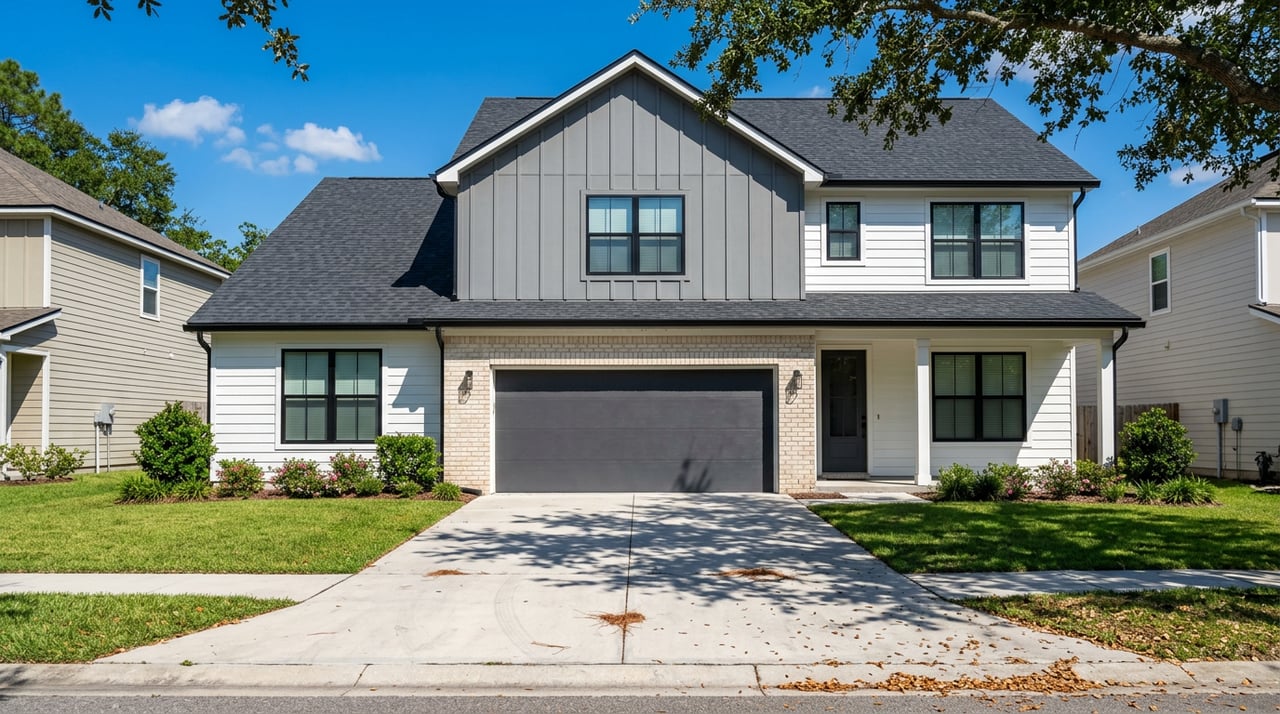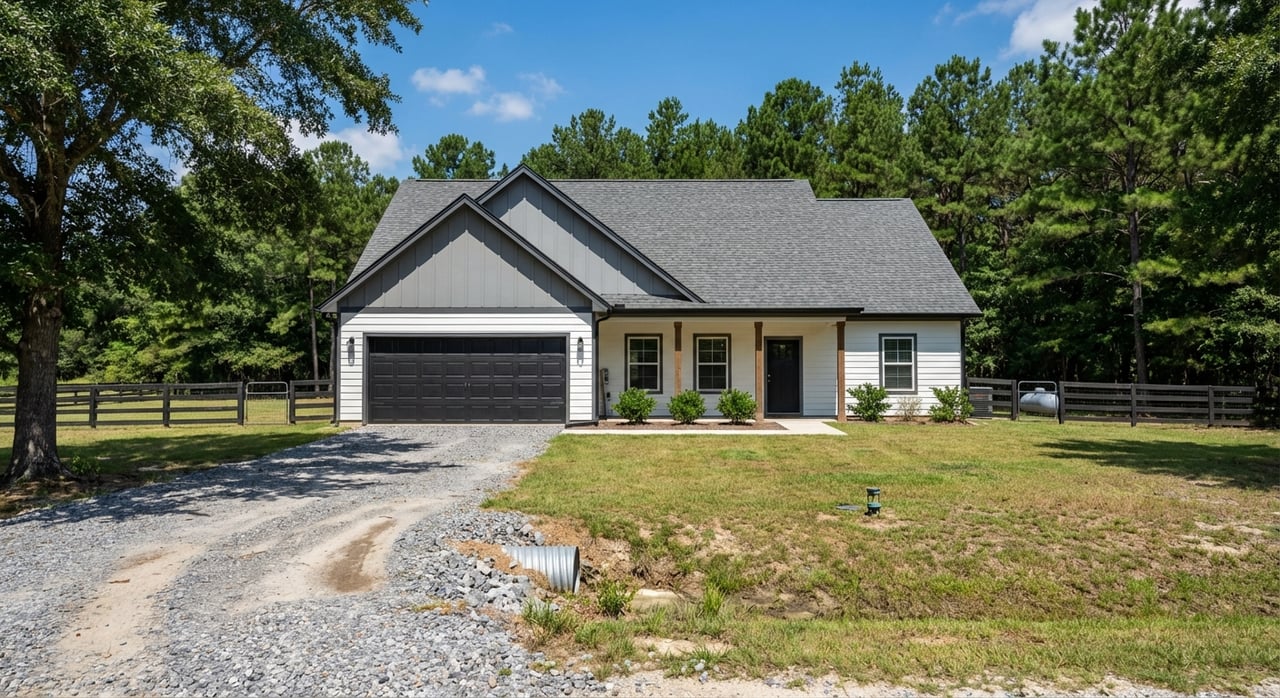
Craving more space, privacy, and room for projects? An acreage home in Magnolia can deliver all of that, but it also comes with different utilities, permits, and upkeep than a typical subdivision house. If you are relocating or moving up, it pays to know the questions to ask before you fall in love with a property. In this guide, you will learn how wells and septic systems work, what permits to check, how to plan inspections and insurance, and a simple checklist to use on any address. Let’s dive in.
Why acreage in Magnolia is different
Magnolia and Montgomery County are growing fast, with large mixed‑use projects planned that can change nearby roads and services over time. Recent reporting on a proposed Magnolia Town Center highlights how development pressure is rising in the area. You should confirm how future growth might affect any specific parcel you consider. Local coverage of Magnolia Town Center explains the trend.
Rules and services also change across boundaries. A parcel inside City of Magnolia limits follows city zoning and permitting. Outside city limits in unincorporated Montgomery County, zoning is different and services are often private. Check current city limits and ETJ status through the city’s resources and rezoning information on the City of Magnolia site.
Utilities to verify at each address
Water and wells
Many acreage properties are not on municipal or MUD water. Private wells are common. In Montgomery County, residential wells usually must be registered with the Lone Star Groundwater Conservation District, and you should ask for the well’s driller log, pump test, and recent water quality results. Start with the Lone Star GCD for rules and registration guidance.
If retail water is available, confirm the provider and service lines to the lot. Some retail providers purchase surface water wholesale from the San Jacinto River Authority, which can influence your monthly rates. Always verify who serves the address and what they charge.
Septic systems
On-site sewage facilities, often called septic or OSSF, are standard on acreage. In Texas, most systems require permits and plans from the appropriate local authority. There is a narrow 10‑acre single‑family exemption, but most buyers should expect a permitted system and documented maintenance. Review the permit, system type, and recent inspection records. See the state’s OSSF guidance at the Texas Commission on Environmental Quality.
Power and gas
For Magnolia’s 77354 area, the transmission and distribution utility is CenterPoint Energy. You choose a retail electric plan, while CenterPoint maintains poles and lines. Remote parcels may require added cost to extend service, and storm restoration can take longer. Confirm the TDU and extension policies for the exact address using resources like this CenterPoint coverage reference. Natural gas lines are not everywhere, so many rural homes use propane. Ask providers about gas main availability before you buy.
Internet and cell
Broadband options vary a lot by location. Some parts of Magnolia have fiber, while others rely on cable, fixed‑wireless, satellite, or 5G home internet. Check availability and realistic speeds for the address. Tools like the Broadband Map for Magnolia can help you compare options.
Trash, propane and other services
Private haulers typically handle trash and recycling for rural addresses. Plan to set up propane delivery and routine septic pumping, too. Expect to build a small vendor list that you would not need in a city subdivision.
Permits, zoning, flood and access
City limits and ETJ
Whether a property sits inside city limits, within the City of Magnolia ETJ, or in unincorporated Montgomery County affects zoning, building permits, and potential annexation. Confirm status early using the city’s rezoning and development resources.
Floodplain and elevation
Check FEMA Flood Insurance Rate Maps to see if the parcel is in a Special Flood Hazard Area. If it is, your lender will likely require flood insurance, and an elevation certificate may be needed. Start your mapping at FEMA’s Flood Map Service Center.
Easements and access
Acreage homes often use long private drives that cross recorded easements. Verify ingress and egress rights, shared road maintenance agreements, and any utility easements in the title commitment and county records. Montgomery County records can be searched through resources like Public Office Locator.
Mineral rights
In Texas, mineral rights can be separate from the surface. Review the title commitment and recorded documents for any reserved or leased minerals. Ask your title company for help locating these filings in the county records, and consult an attorney if needed.
Inspections and ongoing costs
Septic care schedule
Most household septic systems should be inspected at least every three years and pumped every three to five years. Aerobic systems with mechanical parts need routine service. The EPA’s guide to how to care for your septic system is a helpful overview.
Well testing basics
Plan to test a private well at least once a year for bacteria and nitrates. Consider a broader panel after flooding, repairs, or changes in nearby land use. Get the driller log, pump test, and maintenance records so you know the well’s condition. This annual rhythm is consistent with guidance summarized by university water quality experts, such as the overview hosted by Cornell’s soil and water program.
Soils and foundation
Coastal‑plain clays across the Houston area can expand and contract with moisture. That can affect foundations, especially on older homes. Budget for a foundation inspection, and consider a soils or geotechnical review if conditions warrant.
Fire protection and insurance
Some rural properties lack hydrants and depend on tanker operations. Distance to a fire station and the presence of hydrants can affect homeowner insurance premiums. Ask your insurance agent for quotes that reflect the property’s actual fire protection setup before you move forward.
Taxes, financing and insurance
Montgomery Central Appraisal District handles property valuations and protests. If you plan legitimate agricultural, timber, or wildlife management use, the open‑space (1‑d‑1) valuation can reduce land taxes if you meet state and local requirements and deadlines. Talk with the appraisal district and review Texas Comptroller resources early.
Financing for acreage varies by size, land use, and utilities. Lenders often require documentation on wells and septic systems, clear access, and marketable title. USDA and other rural programs may be available in certain tracts, but rules differ by program. Get pre‑qualified and tell your lender you are buying acreage so they can set expectations.
Flood insurance is usually required if the parcel is in a FEMA Special Flood Hazard Area. Even outside high‑risk zones, compare premiums and coverages early so insurance does not surprise your budget.
Buyer checklist for Magnolia acreage
Use this quick list for each property you tour:
- Title and records
- Order a preliminary title commitment. Confirm recorded easements, deed restrictions, and any mineral reservations or leases in county records.
- Survey
- Get a current boundary survey that shows improvements, drive location, easements, floodplain lines, and the existing or proposed well and septic locations.
- Water
- Confirm if the address is on retail water or a private well. For wells, obtain the driller log, recent pump test, and latest water quality results. Check registration rules with Lone Star GCD.
- Septic
- Collect OSSF permit documents, maintenance contract history, and recent inspection or pumping records. If no permit is found, contact the permitting authority before closing.
- Flood and elevation
- Review FEMA maps and consider ordering an elevation certificate if the parcel is in or near a flood zone.
- Utilities
- Verify TDU and potential line extension costs for electricity. Confirm gas main availability, realistic internet options, and cell coverage at the house site.
- Soils and structure
- Schedule a home inspection and, if conditions suggest, a foundation or geotechnical review.
- Insurance and fire protection
- Get quotes that reflect distance to hydrants and fire stations, roof type, and any flood risk.
- Lender coordination
- Tell your lender it is an acreage property so they plan for any appraiser notes and well or septic documentation.
How your agent helps
A skilled local advisor can save you time and reduce risk with acreage. Before you tour, your agent can triage each address for city limits, possible MUD or retail water service, septic and well likelihood, and realistic broadband options. During escrow, they coordinate permit checks, connect you with licensed well and septic pros, rural surveyors, and engineers, and keep lender and title on track.
If you value high‑touch guidance and relocation expertise, you want a partner who understands both suburban neighborhoods and semi‑rural properties. Connect with Chris Domangue for a calm, consultative path to the right Magnolia acreage. Don’t make a move without me.
FAQs
What makes buying acreage in Magnolia different from a subdivision home?
- You will likely manage a private well and septic, set up vendors like propane and trash, verify easements and access, and confirm permits and flood status by address.
How do I check if a Magnolia property is inside city limits or the ETJ?
- Ask your agent to confirm with the City of Magnolia’s maps and rezoning resources, then verify any permit requirements that apply to the parcel.
Do I need special inspections for wells and septic before closing in Montgomery County?
- Yes, request the well driller log, pump test, and recent water quality results, plus septic permits, maintenance records, and a current inspection from a qualified provider.
Will I need flood insurance on an acreage lot in Magnolia?
- If the parcel is in a FEMA Special Flood Hazard Area, lenders usually require flood insurance; even outside high‑risk zones, compare quotes to understand costs.
What should I know about mineral rights when buying land in Texas?
- Mineral rights may be reserved or leased separately from the surface; have title search county records, review the commitment, and consult an attorney if the documents are complex.
Can I get the agricultural (1‑d‑1) valuation on my Magnolia acreage?
- If you meet Texas and local appraisal district rules for qualifying use and file on time, open‑space valuation can reduce land taxes; confirm details with MCAD early.