Thinking about living in Cypress, Texas? If you want more space, neighborhood amenities, and easy suburban living, this northwest Houston area might be exactly what you are looking for. You also want a clear picture of daily life, from commutes and schools to shopping and flood awareness. In this guide, you will learn how Cypress works day to day so you can decide if it fits your lifestyle and priorities. Let’s dive in.
Where Cypress fits in Houston
Cypress sits in northwest Harris County as part of Greater Houston. It is an unincorporated area, which means services are provided by the county, municipal utility districts, and special districts rather than a city government. You will find a wide mix of master-planned communities, newer subdivisions, and older neighborhoods across a large footprint.
Growth has been steady over the last two decades as families trade city living for more space. The area is diverse and skews toward working-age adults. Many households include children, and community calendars often center on youth sports, neighborhood events, and school activities.
Neighborhoods and housing choices
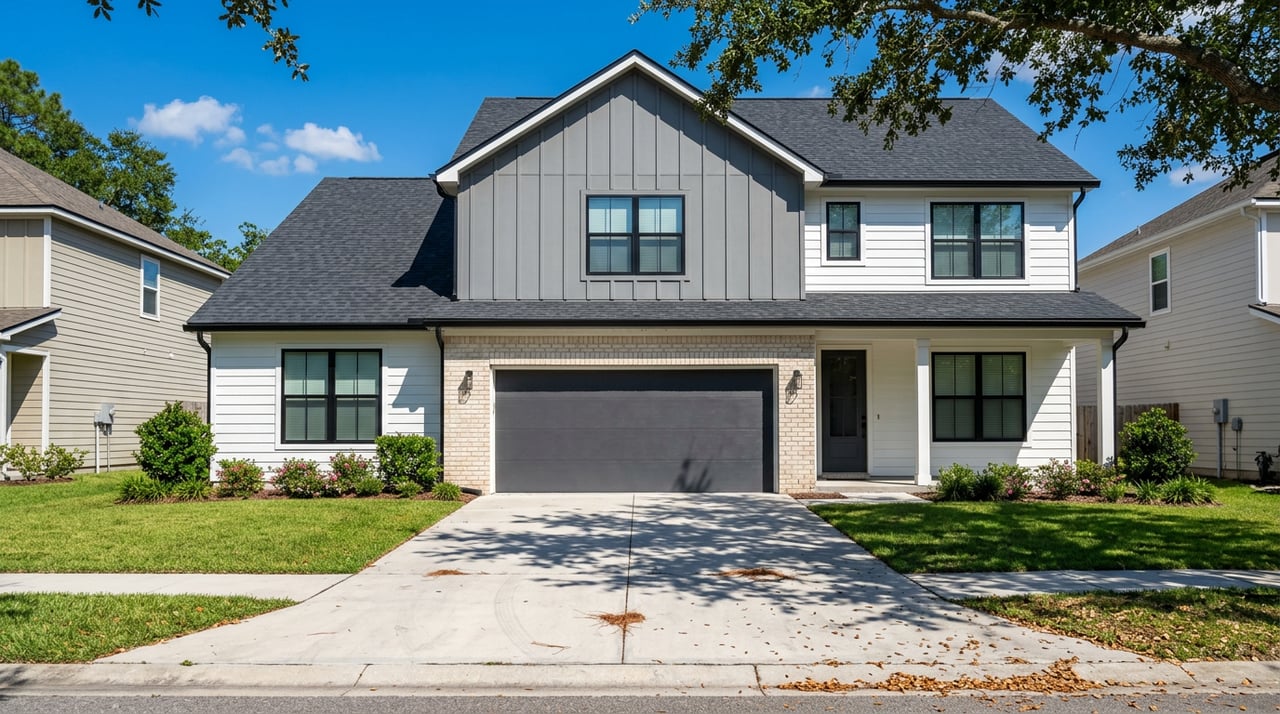
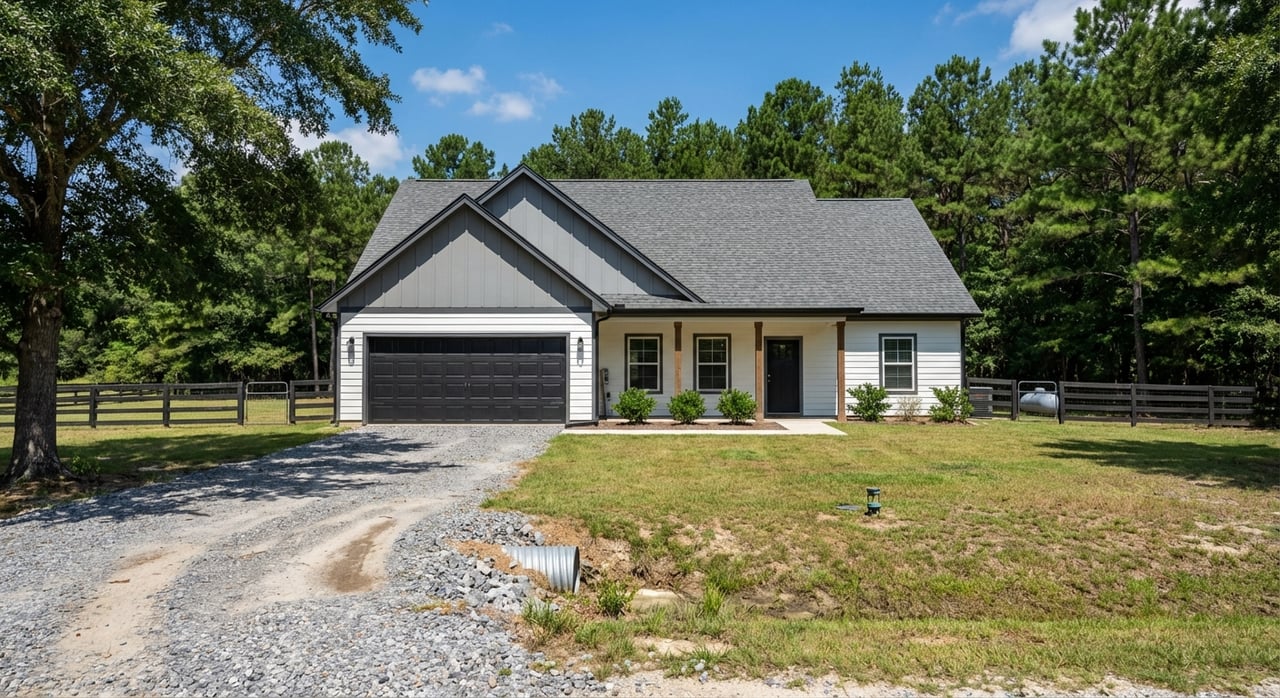
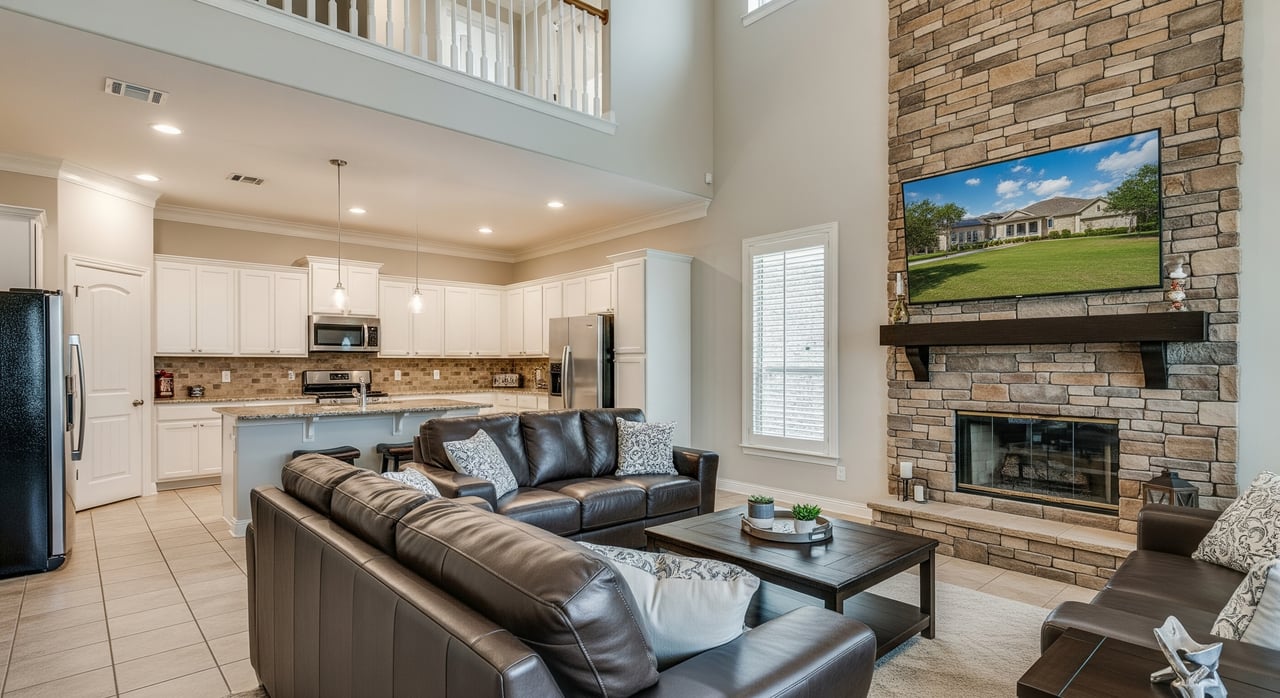
Single-family homes are the norm in Cypress. You will see everything from entry-level homes to large properties with community amenities. Master-planned neighborhoods often include pools, trails, playgrounds, and amenity centers, along with HOAs that manage upkeep and rules. HOA fees and guidelines vary, so confirm details for each community you consider.
You will also find pockets of townhomes and apartments, especially near major roads and retail centers. If you are comparing new construction and resale, pay attention to tax entities, MUDs, HOA policies, and school zones, which can differ even between adjacent neighborhoods.
Commutes and getting around
Cypress is strongly car dependent. Most residents drive to work, school, shopping, and recreation. Your daily routine will likely revolve around key roads and peak traffic patterns.
Major roads and patterns
- US‑290 connects Cypress to downtown Houston and to western areas. Peak congestion is common, especially near major interchanges.
- Grand Parkway (State Highway 99) improves east-west and north-south access to other suburbs and employment centers.
- FM 1960 and Barker‑Cypress Road serve local traffic and retail corridors.
- TX‑249 supports parts of northwest Cypress commuters.
Commute times vary by destination and time of day. Many drives to downtown Houston, the Galleria, or the Energy Corridor run about 30 to 60 minutes or more at peak times. Test your commute during the hours you expect to drive so you know what to plan for.
Public transit and alternatives
Public transit coverage is limited compared with central Houston. Park-and-ride or express options are not widely used by most residents. Rideshare services can fill gaps for short trips. If daily transit is important to you, confirm availability near your target neighborhood.
Biking and walking
Walkability depends on the community. Many master-planned areas include sidewalks and trail systems for recreation. Commercial corridors are built for vehicle access. Cycling is popular for leisure, though bike commuting is less common outside of neighborhoods with connected trails.
Everyday amenities and shopping
You will find a convenient mix of grocery-anchored centers, strip retail, and big-box options along major roads. Many large neighborhoods include their own retail nodes so you can handle everyday errands nearby. For luxury or specialty shopping, residents often head to central Houston or other major hubs.
Dining and nightlife
Dining in Cypress offers plenty of casual and family-friendly options, from regional chains to growing numbers of local restaurants. Nightlife is relaxed, with more neighborhood spots than late-night venues. For broader choices, you can drive to central Houston, Katy, or The Woodlands.
Parks and recreation
Cypress residents enjoy access to neighborhood parks, pools, and community centers. Trail networks in many master-planned communities support daily walks, runs, and bike rides. County parks add green space and sports fields. The climate supports year-round outdoor activity, though summer heat can be intense.
Healthcare and services
Urgent care and outpatient services are widely distributed. Major hospital systems in the northwest Houston area serve Cypress residents. Exact facilities and providers depend on your neighborhood and insurance network, so verify access during your home search.
Weather and what it means for daily life
Cypress has a humid subtropical climate. Summers are long, hot, and humid, with temperatures often in the 90s and higher heat indices. Winters are usually mild, and you can expect a humid, storm-prone year with substantial rainfall.
Summer heat and comfort
- Expect high air conditioning use during summer months.
- Look for homes with efficient HVAC, good insulation, and shading where possible.
- Community pools and splash pads can be a big plus if you enjoy outdoor time.
Storms and flood awareness
Flood risk varies by neighborhood and street. Cypress, like much of the Houston area, has experienced significant storm events. Before you buy, review local floodplain designations and elevation details, and understand potential insurance needs. Premiums and requirements vary widely by location and elevation.
Costs to plan for
Texas has no state income tax, which many newcomers value, but local property taxes are a major part of the budget. Your total tax rate reflects the school district, county, MUDs, and any other local entities tied to the property.
Property taxes and HOA
- Review the property’s tax entities and current assessed value.
- HOA fees vary and cover different amenities and services.
- Compare new construction and resale communities for differences in MUD assessments and HOA rules.
Utilities and insurance
Electricity usage can be high due to air conditioning needs. Ask about average utility costs when viewing homes. Home insurance and flood insurance, when required or recommended, add to your monthly carrying costs. Request recent bills and policy quotes to build a realistic budget.
Schools and zoning basics
Most of Cypress is served by Cypress‑Fairbanks Independent School District. It is one of the largest districts in Texas, with many campuses across the area. School attendance zones vary by neighborhood, and campus-level performance can differ within the district. If schools are a priority, align your home search with attendance zones for your preferred campuses.
Private and charter options exist, though they are fewer than in central Houston. Availability and commute times to those schools depend on your neighborhood. Plan your route and timing just as you would for a job commute.
HOAs, rules, and neighborhood fit
HOAs are common in master-planned communities. They manage amenities and enforce deed restrictions that can affect landscaping, exterior changes, and rentals. Review HOA documents before you make an offer so you understand the rules, fees, and community expectations.
Practical home search checklist
Use this quick list to focus your Cypress search:
- Confirm the school attendance zone for your target campuses.
- Review floodplain maps, elevation certificates, and any recent drainage improvements.
- Test-drive your commute at peak times for a realistic schedule.
- Compare property taxes, MUDs, and HOA fees for each neighborhood.
- Ask for average utility bills, especially electricity during summer.
- Walk the community trails and parks to gauge your daily routine.
- Note local retail, healthcare access, and dining you will use often.
Is Cypress a fit for you?
If you value space, neighborhood amenities, and an easy suburban rhythm, Cypress delivers. You gain larger homes and strong community life, along with convenient retail and recreation. The tradeoff is a car-dependent lifestyle and variable commute times. With a clear plan for schools, taxes, and flood awareness, you can make a confident move.
Ready to explore neighborhoods and compare your options with a local expert who understands relocations, staging, and the northwest Houston market? Connect with Chris Domangue for a tailored strategy, neighborhood tours, and a smooth, well-orchestrated move. Do not make a move without me.
FAQs
What is daily life like in Cypress, TX?
- Cypress offers suburban living with master-planned amenities, convenient retail, and family-oriented activities, plus car-focused commutes to Houston employment centers.
How long is the commute from Cypress to Houston?
- Depending on destination and traffic, many commutes to downtown, the Galleria, or the Energy Corridor range from about 30 to 60 minutes or more at peak times.
Do I need a car to live in Cypress?
- Yes, most residents rely on a personal vehicle for work, school, shopping, and dining. Public transit options are limited compared with central Houston.
Which school district serves Cypress?
- Most of Cypress is served by Cypress‑Fairbanks ISD. Attendance zones vary by neighborhood, so verify the specific campus assignments for each property.
Is flooding a concern in Cypress?
- Flood risk varies by neighborhood. Review floodplain maps, elevation information, and insurance requirements for each property before you buy.
What ownership costs should I expect in Cypress?
- Beyond the mortgage, plan for property taxes, HOA fees if applicable, homeowner’s insurance, possible flood insurance, and electricity costs driven by air conditioning needs.