You can fall in love with a view and still get surprised by docks, permits, and HOA rules. If you are eyeing a waterfront home on Lake Conroe in Montgomery, you want clarity before you write an offer. This guide walks you through SJRA permits, HOA approvals, inspections, ongoing fees, insurance, and a smart pre-offer checklist. Let’s dive in.
Lake Conroe oversight: who’s in charge
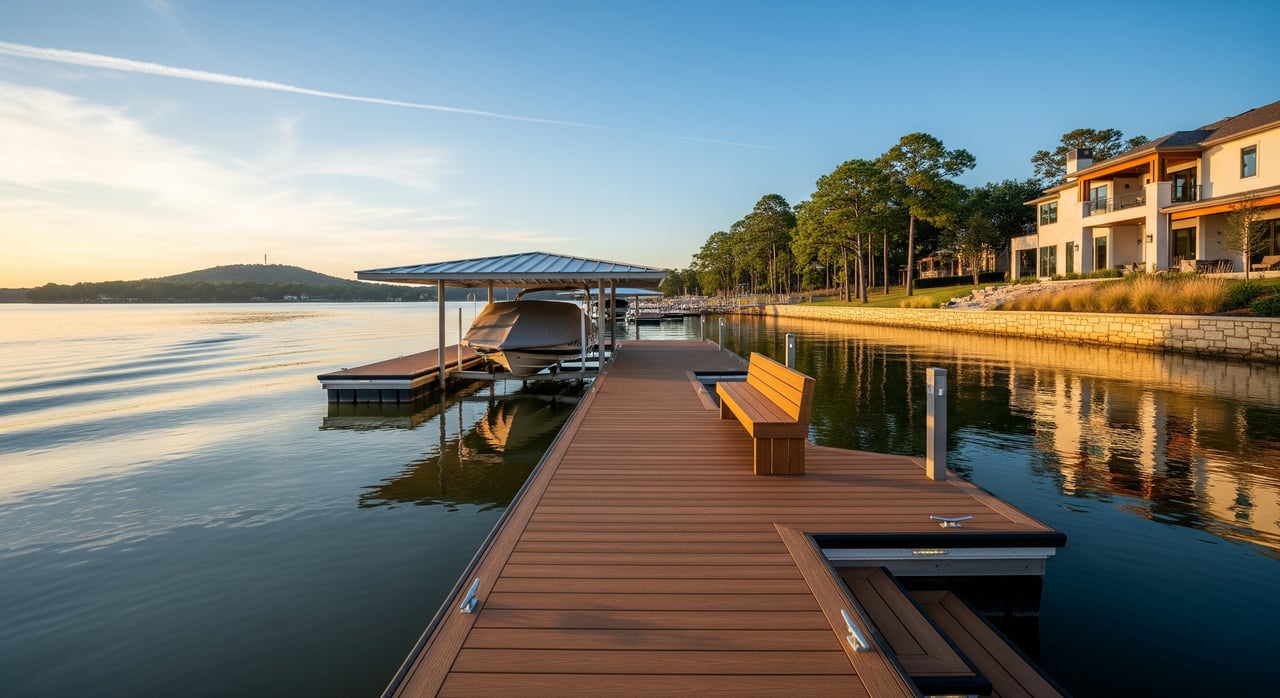
Lake Conroe is managed as a reservoir by the San Jacinto River Authority (SJRA). SJRA regulates structures on or over the water, including docks, boat lifts, and bulkheads, and it enforces shoreline rules. Many waterfront homes also sit inside private subdivisions with HOAs or POAs that add their own approvals.
Other entities may have a role depending on the work. The U.S. Army Corps of Engineers can apply to certain in-water projects. Local rules from Montgomery County or the City of Montgomery may govern land development or septic systems. FEMA flood mapping affects insurance and building requirements. You want to verify which rules apply to your specific lot before you plan changes.
SJRA permits: what to confirm first
SJRA issues permits for docks, lifts, and shoreline stabilization on Lake Conroe. These permits typically include requirements for size, materials, and setbacks. If a property already has a dock or bulkhead, confirm there is a valid SJRA permit and ask whether that permit transfers to you at closing.
Permit rules and fees can change, and SJRA may require renewals or acknowledgments when ownership changes. Some older structures could be grandfathered. Ask for documentation, including plans, approvals, and any correspondence or notices of violation. If something is unpermitted or out of compliance, you should address it as a contract contingency.
Docks, lifts, and bulkheads: how to evaluate condition
Structural checks that matter
Inspect dock pilings, pile caps, decking, fasteners, and any connections for a lift. Look for rot, corrosion, and loose hardware. For the boat lift, examine motors, winches, cables or straps, and safety switches.
For the bulkhead or seawall, scan for leaning, cracks, gaps between the wall and soil, settlement, or signs of scour at the toe. Pay attention to prior patchwork repairs, exposed piling footings, and areas that look undermined after low-water periods. Bulkhead failures can be sudden and costly.
Electrical and access safety
Confirm safe power to the dock with proper GFCI protection and compliant wiring. Check lighting, panels, and metering. Review fuel storage rules if you have a boathouse. If anything seems outdated, plan for a licensed electrician experienced with dock wiring to inspect during due diligence.
Lifespans and maintenance
Wood docks often last 10 to 25 years depending on exposure and upkeep. Composite decking can last longer, but hardware still needs attention. Lifts often need major service every 5 to 15 years. Bulkheads may last 15 to 40 years or more depending on material and conditions. Freshwater is easier on metals than saltwater, but Lake Conroe’s water-level swings and storms still stress structures.
Budgeting: common costs and ongoing fees
Ballpark project costs
Use conservative estimates while you gather quotes. New private docks can run into the low tens of thousands of dollars for small to medium builds, and more for covered slips or custom designs. Lift replacements often range from the mid-thousands to low tens of thousands depending on capacity and features.
Bulkhead or shoreline stabilization varies widely. Short sections may be in the low tens of thousands, while long runs or engineered solutions can reach $50,000 to $150,000 or more. Local contractor bids with detailed scope, warranty, and timeline are essential before you finalize an offer.
Permits, renewals, and HOA costs
Expect potential SJRA application fees, renewal steps, and possible annual usage or maintenance fees tied to the permit. HOA or POA fees are separate and can include routine dues plus special assessments for community shoreline work, dredging, or common-area docks. Ask for proof that the seller is current on dues and whether any special assessments are planned or pending.
HOA rules: design, use, and liability
ARC approvals and design standards
Many Lake Conroe communities require Architectural Review Committee approval for docks, lifts, and shoreline work. Those standards can restrict dimensions, materials, and setbacks. Before you plan a modification, confirm ARC rules and whether the HOA has approved contractor lists or specific submittal requirements.
Rentals and use rules
Some neighborhoods restrict short-term rentals or set guidelines for guest slip use and parking. If you plan to rent the home or host guests with boats, verify rules in writing. Align your offer with your intended use so you avoid surprises after closing.
Shared docks and insurance requirements
Certain communities offer shared or assigned slips, often with fees attached. HOAs may require owners to carry minimum liability limits and name the association as an additional insured for dock-related liability. Ask for any insurance clauses related to waterfront structures.
Water levels, vegetation, and timing
Drawdowns and low-water inspection windows
Lake Conroe’s water level can shift seasonally and during operational drawdowns. Low water can expose the toe of bulkheads and reveal damage hidden at normal levels. If possible, time your marine and shoreline inspections during low-water periods to get a complete picture.
Vegetation and shoreline rules
Shoreline tree removal and vegetation changes can be regulated. Some sites favor bioengineered erosion control instead of hard walls. Before you clear vegetation or reshape the bank, confirm approval requirements and whether any state or federal protections apply to your stretch of shoreline.
Insurance and lending: what affects your numbers
Coverage types to review
Start insurance conversations early. Review homeowner’s coverage for wind and hail exposure, and confirm any special windstorm requirements. Get quotes for flood insurance through NFIP and private carriers, and verify the FEMA flood zone and any Elevation Certificate on file.
Consider umbrella liability, especially if you will have a dock and regular boat use. Separate boat policies and coverage for lift equipment may be needed. If you plan repairs or rebuilds, verify that contractors carry proper insurance.
Lender and appraisal considerations
Lenders may require that docks meet safety and permitting standards. Appraisers consider the condition and permit status of waterfront structures. Unpermitted or nonconforming docks can reduce appraised value or complicate closing. Address these items in your contingencies and pricing strategy.
Pre-offer checklist for Montgomery buyers
- Confirm there is a current, valid SJRA permit for the dock, lift, and bulkhead; request copies and transfer steps.
- Get HOA/POA CC&Rs, ARC rules, meeting minutes, and any notices on shoreline projects or assessments.
- Secure a recent land survey showing the shoreline, encroachments, and relevant boundaries; request any Elevation Certificate.
- Order a professional dock and shoreline inspection; schedule during low water if possible.
- Request disclosures, invoices, and warranties for prior shoreline work or storm repairs.
- Verify FEMA flood zone and obtain flood insurance quotes from NFIP and private carriers.
- Check dock electrical service and GFCI protection; consider an electrician’s inspection.
- Confirm easements, shared dock agreements, or community mooring rights that affect use.
- Verify septic or sewer status, capacity, and service history if applicable.
- Add contingencies that address dock/bulkhead condition, SJRA permit transferability, HOA approvals, and any planned use such as rentals.
Who to involve and when
- Marine/dock contractor for structural review and repair options that meet SJRA standards.
- Structural or civil engineer for suspected bulkhead movement or erosion.
- Licensed electrician experienced with dock wiring for safety and code compliance.
- Licensed surveyor for boundaries and riparian or submerged land lines.
- Environmental consultant or arborist if tree work or wetland questions arise.
- Flood-elevation professional or surveyor for Elevation Certificates tied to insurance.
- Septic inspector or licensed plumber if the property uses onsite wastewater systems.
- Insurance agent familiar with waterfront risks to quote coverage and advise on mitigation.
Schedule these vendors early in your option period. Request written estimates with line-item pricing and clear timelines. Confirm who will obtain permits and who will fund required upgrades. Always collect current certificates of insurance before any work begins.
Make your offer with confidence
A Lake Conroe waterfront home in Montgomery can be a fantastic lifestyle move. When you confirm permits, understand HOA rules, inspect shoreline systems, and budget for insurance and maintenance, you protect your enjoyment and your investment. If you want a calm, well-orchestrated path from search to keys, let’s talk about your plan and timeline.
Ready to shop smart on the water? Connect with Chris Domangue. Don’t make a move without me.
FAQs
Do I own the dock when I buy a Lake Conroe home?
- Not automatically. SJRA manages submerged lands and permits docks. Verify an active, transferable SJRA permit and confirm any conditions tied to the structure.
What happens if the existing dock is unpermitted on Lake Conroe?
- Unpermitted structures can trigger retrofits, fines, or removal orders, and may concern lenders or insurers. Address compliance and costs through contract contingencies.
How much should I budget to repair or replace a bulkhead in Montgomery?
- Costs vary widely. Short sections can be in the low tens of thousands, while long or engineered runs may reach $50,000 to $150,000 or more. Get multiple local bids with detailed scope.
Are flood insurance and wind coverage required for Lake Conroe homes?
- Requirements depend on your lender and FEMA flood zone. Get early quotes for flood insurance and confirm wind and hail coverage specifics with your insurer.
Can I add a new boat lift or modify the dock after closing?
- Often yes, but you will likely need SJRA approval and HOA/ARC consent. New work must meet current standards, which may be stricter than older, grandfathered docks.
Do HOAs around Lake Conroe limit short-term rentals or guest boat use?
- Many do. Review CC&Rs and ARC rules for rental restrictions, guest slip policies, parking rules, and any additional insurance requirements before you make an offer.