Thinking about a move to The Woodlands and wondering what it really costs to live here? Between home prices, township assessments, MUD bills, and Texas’ deregulated electricity market, your monthly budget can look different from what you expect. If you plan ahead, you can match the right village, home type, and utility setup to your lifestyle and comfort level. In this guide, you will learn how housing and utilities work in The Woodlands, where costs vary by neighborhood, and how to build a practical budget that fits your goals. Let’s dive in.
Housing costs at a glance
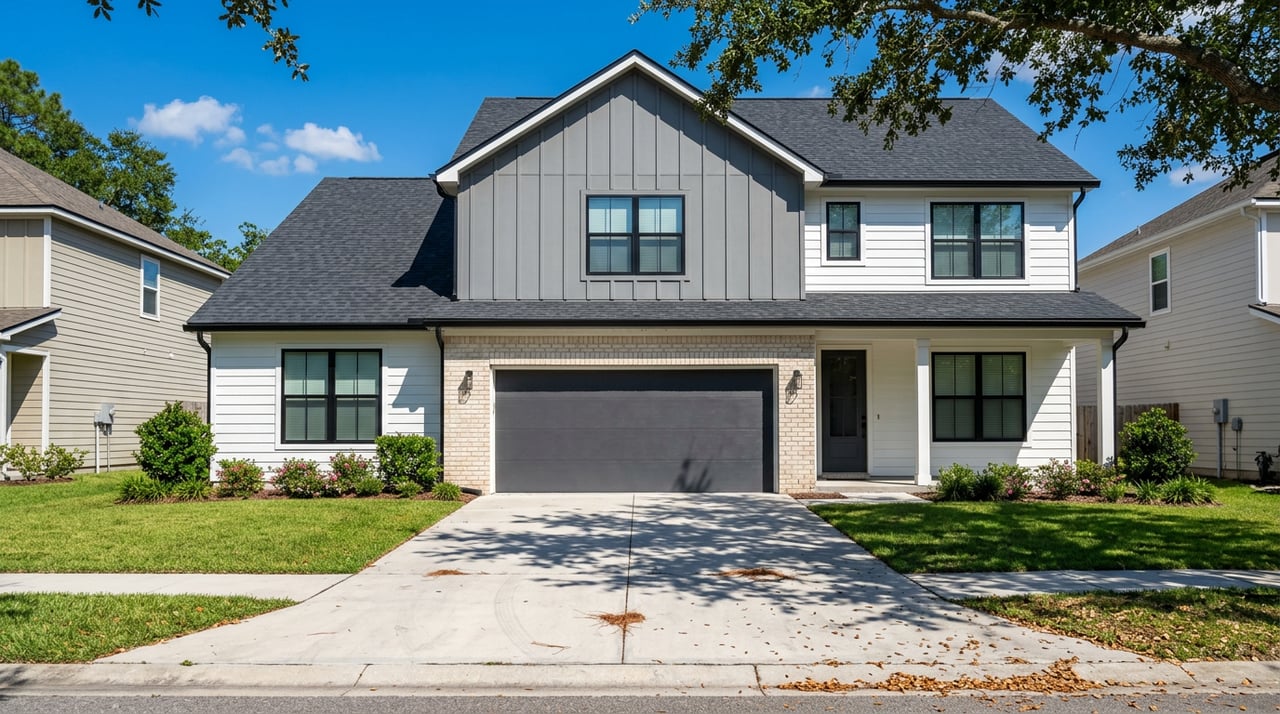
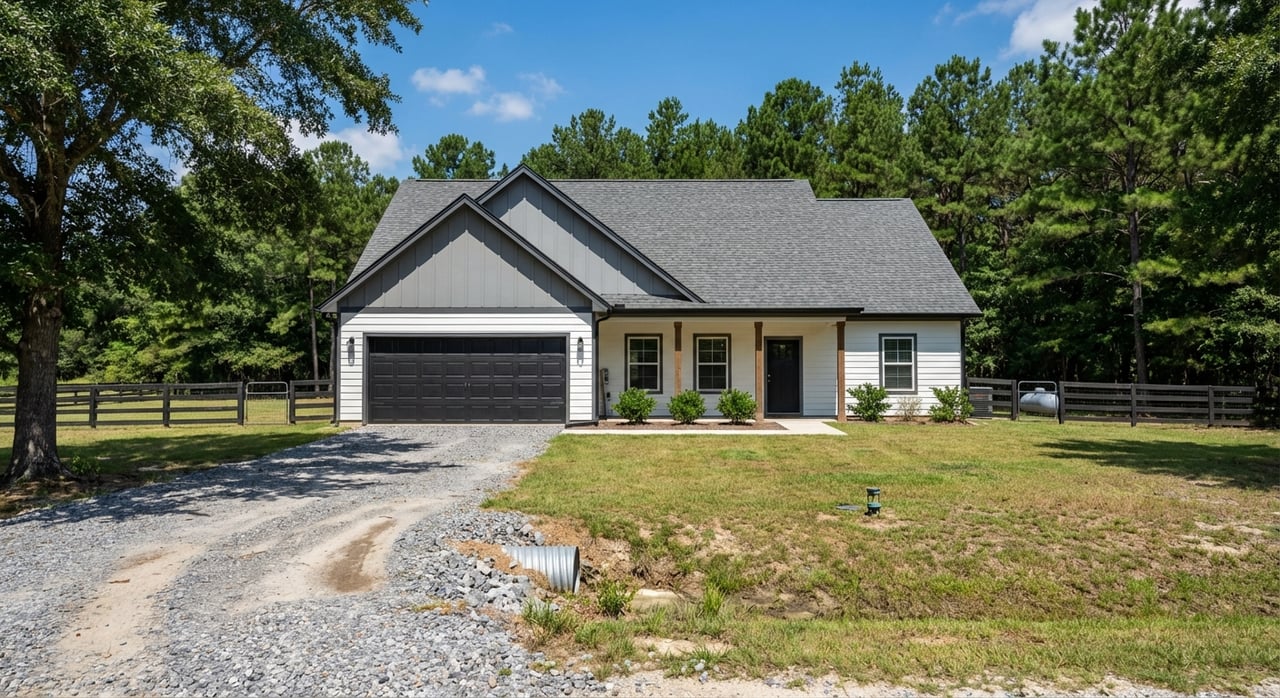
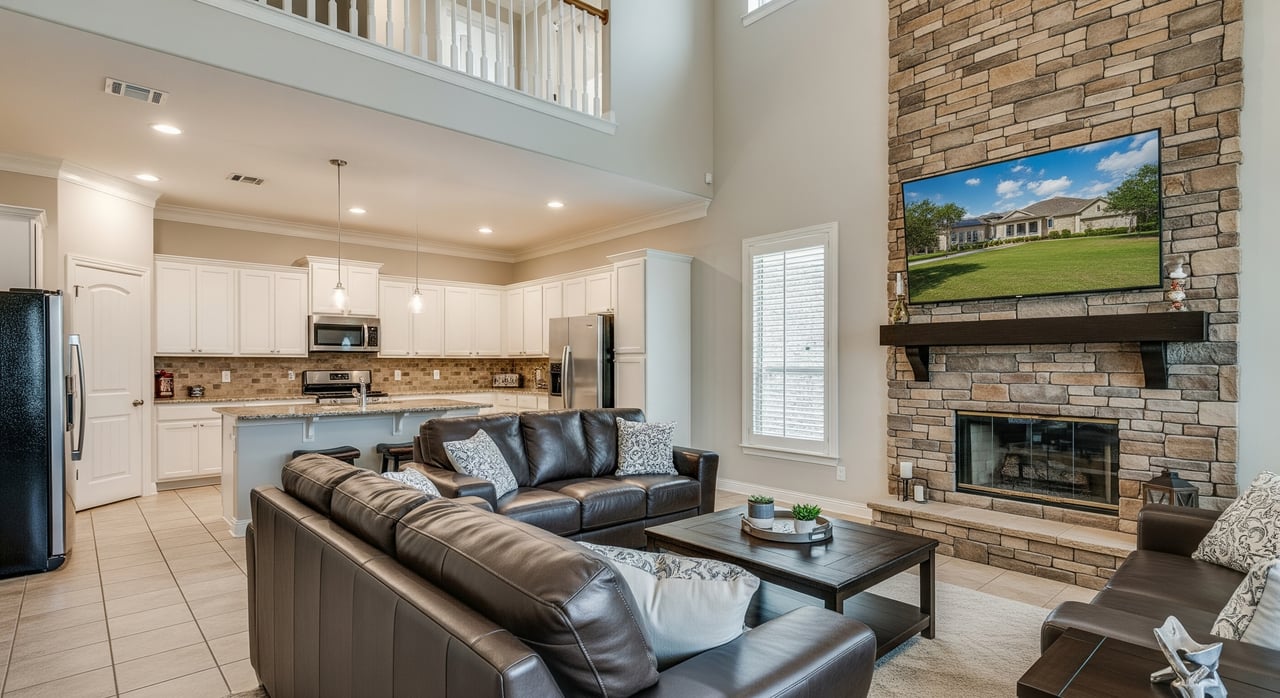
The Woodlands is a large, master-planned community made up of distinct villages. You will find single-family homes, townhomes, and condos across neighborhoods that range from 1980s-era areas to newer sections and gated enclaves. This mix creates a wide spread in purchase prices, HOA dues, and utility patterns.
Demand is shaped by proximity to jobs across the Houston area, access to community amenities like parks and trails, and convenient retail and dining. Inventory and pricing follow broader Houston trends, but The Woodlands often holds steady due to its strong appeal. Your final costs depend on home type, village, lot size, age and condition, and whether the property sits in a special district or flood-prone area.
Buying in The Woodlands: what to budget
One-time purchase costs
When you buy, plan for your down payment and closing costs in addition to the purchase price.
- Down payment: common options include FHA at 3.5 percent, conventional from about 5 to 20 percent, and VA at 0 percent for eligible buyers.
- Closing costs: typically 2 to 5 percent of the purchase price. This covers lender fees, title, recording, and initial escrow prepaids for taxes and insurance.
- Mortgage payment: principal and interest will hinge on the current rate and your loan program. Use a mortgage calculator with today’s rate to model monthly payments at your target price points.
Recurring ownership costs
Beyond the mortgage, your monthly budget will include several items that are easy to underestimate.
- Property taxes and assessments: Your bill is calculated as assessed value times the total tax rate. In The Woodlands, that often means Montgomery County taxes plus any special district rates and The Woodlands Township assessment. Verify the current rate and estimated tax with the appraisal district and tax office for the specific property.
- Homeowners insurance: Premiums vary based on coverage, home age and condition, roof type, and claims history. Get quotes early in your search.
- Flood insurance: Required for properties in a Special Flood Hazard Area when you finance with many loan types. Even outside mapped zones, consider a quote if the home is near creeks or drainage corridors. Check FEMA flood maps and local data before you make an offer.
- HOA or community fees: Some neighborhoods have minimal dues billed annually or quarterly. Gated or amenity-rich enclaves may charge monthly dues. Review the HOA disclosure to confirm amounts and what is covered.
- Maintenance and utilities: Budget for seasonal yard care, pest control, and higher summer electricity usage for air conditioning.
Renting in The Woodlands: what to expect
Apartment, townhome, and single-family rents vary by village, home size, and proximity to Town Center and major roads. Newer communities, larger lots, and gated features tend to command higher rent.
- Security deposit: often equal to one month of rent, though policies vary by property manager.
- Pet costs: many rentals add a pet deposit or monthly pet rent.
- Utilities: In multifamily buildings, landlords sometimes cover water, sewer, or trash. Single-family rentals commonly place all utilities in the tenant’s name. Confirm what is included before you sign the lease.
HOA, Township, and assessments explained
The Woodlands does not operate under a single HOA. Instead, services are layered:
- The Woodlands Township provides community-wide services such as parks and public programming that are funded through assessments and taxes.
- Village or neighborhood associations may manage deed restrictions, community pools, gates, and private roads.
- Some communities have both master-level and neighborhood-level fees.
What this means for you: Two similar homes can have very different monthly costs once you factor in HOAs and the Township assessment. Always request the HOA documents early, including budgets, reserve details, and any history of special assessments. Include all dues in your monthly affordability plan.
Utilities and monthly services
Electricity and natural gas
Most households in The Woodlands choose a retail electricity provider due to Texas’ deregulated market. Plans differ by rate structure, term length, and usage thresholds. Your actual bill depends on home size, insulation, thermostat settings, and summer heat.
- Electricity: Check average kWh usage for a home your size, then compare plan rates and terms. Expect higher summer bills when air conditioning runs longer.
- Natural gas: Often used for water heating, cooking, and sometimes heating. Bills are usually lower than electricity but still vary with appliance efficiency and winter usage.
Tip: Compare multiple providers and pay attention to minimum usage fees, early termination fees, and promotional periods before you enroll.
Water, sewer, and trash
Water and sewer in The Woodlands are commonly billed by municipal utility districts or through the Woodlands Water Agency. Rates can be tiered by usage and meter size.
- Water and sewer: Review the district’s residential rate chart and average monthly usage for homes like the one you are considering.
- Trash and recycling: In many neighborhoods, the Township coordinates trash and recycling pickup via contracted haulers. Confirm the schedule, cart sizes, and any fees for bulk or green waste.
Internet, TV, and phone
Major providers include Xfinity and AT&T, with service levels that depend on address. Typical internet budgets range from about 50 to 150 dollars per month depending on speed and promotions. Check availability for your exact street and compare the upload speeds you need for work and school.
Other household services
- Lawn care and landscaping: Costs vary by lot size and frequency. Larger treed lots may need seasonal cleanup.
- Pest control: Many single-family homes opt for a quarterly plan.
- Pool maintenance: If the home has a pool, add weekly service and seasonal chemical costs.
- Home security: Monitoring plans and equipment vary by provider.
Commuting and transportation costs
Many residents commute within The Woodlands, to nearby corporate campuses, or south toward Houston. Commute times depend on your start time and route.
- Toll roads: Segments of the Grand Parkway, State Highway 99, are tolled. If you use them often, add monthly tolls to your budget. I-45 is a primary non-tolled route for many commuters.
- Toll tags: Regional systems include TxTag, HCTRA TollTag, and EZ TAG. Check road maps and agency compatibility for your routes.
- Fuel and parking: Factor in your vehicle’s MPG, round-trip miles, days per month, and any paid parking near your destination.
A simple commute budget formula:
- Monthly fuel cost = (round-trip miles × workdays × average price per gallon) ÷ vehicle MPG.
- Total commute cost = monthly fuel + monthly tolls + parking.
Use conservative assumptions for summer months when air conditioning can reduce MPG slightly.
Village-level cost differences
Each village in The Woodlands has its own character and cost profile. Prices and fees can differ based on home age, lot size, and proximity to shopping and major roads. A few examples to explore during your search:
- Grogan’s Mill and Panther Creek: Closer to the original Town Center areas with mature trees and established neighborhoods. Homes can vary widely in age and updates.
- Cochran’s Crossing and Alden Bridge: Predominantly single-family homes with community amenities and convenient access to parks and retail.
- Creekside Park: Newer sections and some gated or amenity-forward options. Expect a different mix of HOA structures and potential dues.
Newer construction often comes with a higher price but may reduce immediate maintenance. Older homes can deliver lot size and character, with potential renovation or energy efficiency upgrades to consider. Flood exposure varies by micro-location, so review maps and history for each property you are considering.
Practical budgeting tips
Set your budget around the full cost of living in a specific home and village, not just the list price.
- Define your housing cap: Many households aim for 28 to 35 percent of gross income for housing. Include mortgage or rent, taxes, insurance, HOA dues, and average utilities in your target.
- Add recurring costs early: Property taxes, HOA dues, flood insurance, electricity, water, internet, commute, and childcare can shift the picture quickly.
- Compare by all-in monthly cost: Two 600,000 dollar homes can have very different monthly costs depending on tax rates, HOA dues, and energy efficiency.
- Verify utilities and providers: Confirm the home’s electricity plan options, water district assignment, trash service, and internet speed availability before you make an offer.
- Inspect HOA documents: Request CC&Rs, budgets, reserve details, and any special assessment history. Understand rental rules, exterior guidelines, and amenity maintenance plans.
- Check flood exposure: Review FEMA maps and get flood insurance quotes early, even if your lender does not require coverage.
- Shop for quotes: Request multiple estimates for electricity, internet, insurance, and lawn or pool service. Bundles and longer terms can help lock in savings.
A simple monthly worksheet you can build:
- Housing: mortgage or rent + property tax + homeowners insurance + flood insurance + HOA dues.
- Utilities: electricity + gas + water/sewer + trash + internet + any security monitoring.
- Transportation: fuel + tolls + parking + maintenance allowance.
- Family and lifestyle: groceries, childcare, healthcare, recreation, memberships, and an emergency fund.
- One-time setup costs: movers, deposits, initial yard or pool setup, and minor repairs.
How a local advisor helps
Choosing the right village and property type can save you hundreds per month once you factor in taxes, utilities, and HOA differences. A relocation-savvy advisor will help you compare apples to apples across neighborhoods, review HOA disclosures, and connect you with local insurance and utility contacts for real quotes before you commit.
If you want a clear, low-stress path to your ideal home in The Woodlands, partner with a seasoned local who knows the villages, understands corporate timelines, and can stage and market your current home for top-of-market results. Don’t make a move without a guide who treats your budget and privacy with care.
Ready to plan your move with a clear cost picture and a tailored shortlist of homes? Work with Chris Domangue for high-touch guidance from search to closing. Don't make a move without me.
FAQs
What are typical property taxes in The Woodlands?
- Property taxes are based on the home’s assessed value multiplied by the total tax rate, which can include Montgomery County, special districts, and The Woodlands Township. Confirm the current rate and estimated bill for each property with the appraisal district and tax office.
Are HOA dues required everywhere in The Woodlands?
- Many neighborhoods have HOAs, and some gated or amenity-rich areas charge monthly dues. The Woodlands Township assessment also applies community-wide services. Always review the HOA disclosure to see frequency, amounts, and what is covered.
How much should I budget for utilities in The Woodlands?
- Electricity bills vary with plan, usage, and season, and water is billed by local districts with tiered rates. Internet commonly ranges about 50 to 150 dollars per month depending on speed. Get address-specific quotes for accurate budgeting.
Do I need flood insurance for a home in The Woodlands?
- Lenders typically require flood insurance for homes in Special Flood Hazard Areas. Even outside mapped zones, many buyers request a quote to reduce risk. Review FEMA maps and local information before making an offer.
Which routes from The Woodlands to Houston have tolls?
- I-45 is a primary non-tolled corridor. Segments of the Grand Parkway, State Highway 99, are tolled and can affect your monthly commute cost. Check toll agency maps and tag compatibility for your specific route.